A Fire Temple on the Pearl of the Indian Ocean
By Jamsheed K. Choksy
The Parsi Zoroastrians of Sri Lanka (formerly Ceylon)
The Parsis (also Parsees) or Persians are ethno-religious descendants of Zoroastrians (Boyce 1979; Choksy 2005a, 2005c) who emigrated from Iran to India between the seventh and tenth centuries CE. The first well-documented presence of Parsis in British Ceylon dates to 1803. Thereafter, the community played important roles in Ceylon’s administration, economy, and society reaching a demographic zenith of over 1000 individuals in the early 1900s. After Ceylon became independent in February 1948, almost half of the community returned to India while the rest became citizens of Ceylon. When Sinhala became the official language of Ceylon in 1956, many Parsis who were not fluent in that indigenous language migrated to Australia and Britain. Emigration has continued after Ceylon became the Republic of Sri Lanka in 1972, as Parsis seek education and employment in the United States of America and Canada (Choksy 2007b). Less than fifty Parsis now remain on the island, and only about half of them practice Zoroastrianism.
The Navroz-Baug Fire Temple at Colombo
Most Zoroastrian religious ceremonies are conducted in the presence of a ritual fire (Modi 1937; Boyce 1975; Boyd and Kotwal 1983). Fire temples, known as dar-e Mihr or House(s) of Mithra and also as ātashkadehs or Houses of Fire, became an established feature of Zoroastrian piety in ancient times and continue to function as such centers to the present (Giara 2002; Choksy 2006, 2007a; Niknam 2011; Niechciał 2013).
In British Ceylon, the Parsi Priest Maintenance fund was inaugurated at Colombo in 1910 to pay for rental of prayer halls for the community, and for residences for mobeds or magi (male priests) from India who served. A permanent location for the community’s devotions was endowed by a Ceylonese Parsi Zoroastrian donor in December 1927 “for the use as a residence for the Parsee priest & for the performance of religious ceremonies” (Figure 1). It is known as Navroz-Baug or New Year’s Hall (Figure 2) and became the epicenter of the community’s devotional life.

Figure 1. Donor Marble Plaque in the Entrance Veranda of the Navroz-Baug Fire Temple.
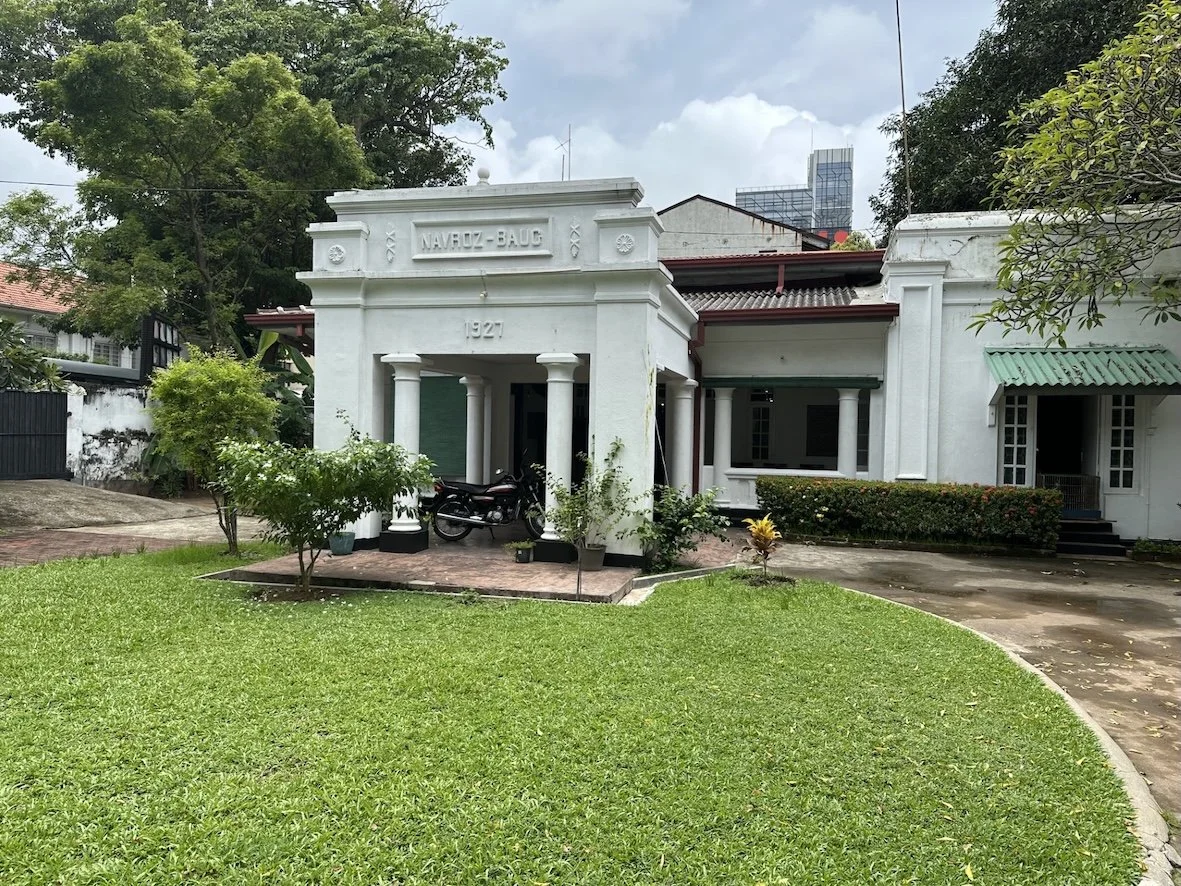
Figure 2. Navroz-Baug Fire Temple.
The Ceylon (now Sri Lanka) Parsi Anjuman or association was established in 1939 to consolidate the administration of trust funds for priests, rituals, and community sites. Administered by the Anjuman, Navroz-Baug is an agiāry or small fire temple where votive rituals are conducted by a mobed in front of a dādgāh or hearth fire which is lit on a āfrīngānyu/afargānyu or small fire altar in an ātashgāh or prayer hall (Figure 3) prior to each religious ceremony (Choksy 2005b). Fire serves as the faith’s icon—representing illumination both spiritual and corporeal, warmth, safety, and therefore goodness—and is referred to in Zoroastrian scripture as the “son of the Wise Lord.”
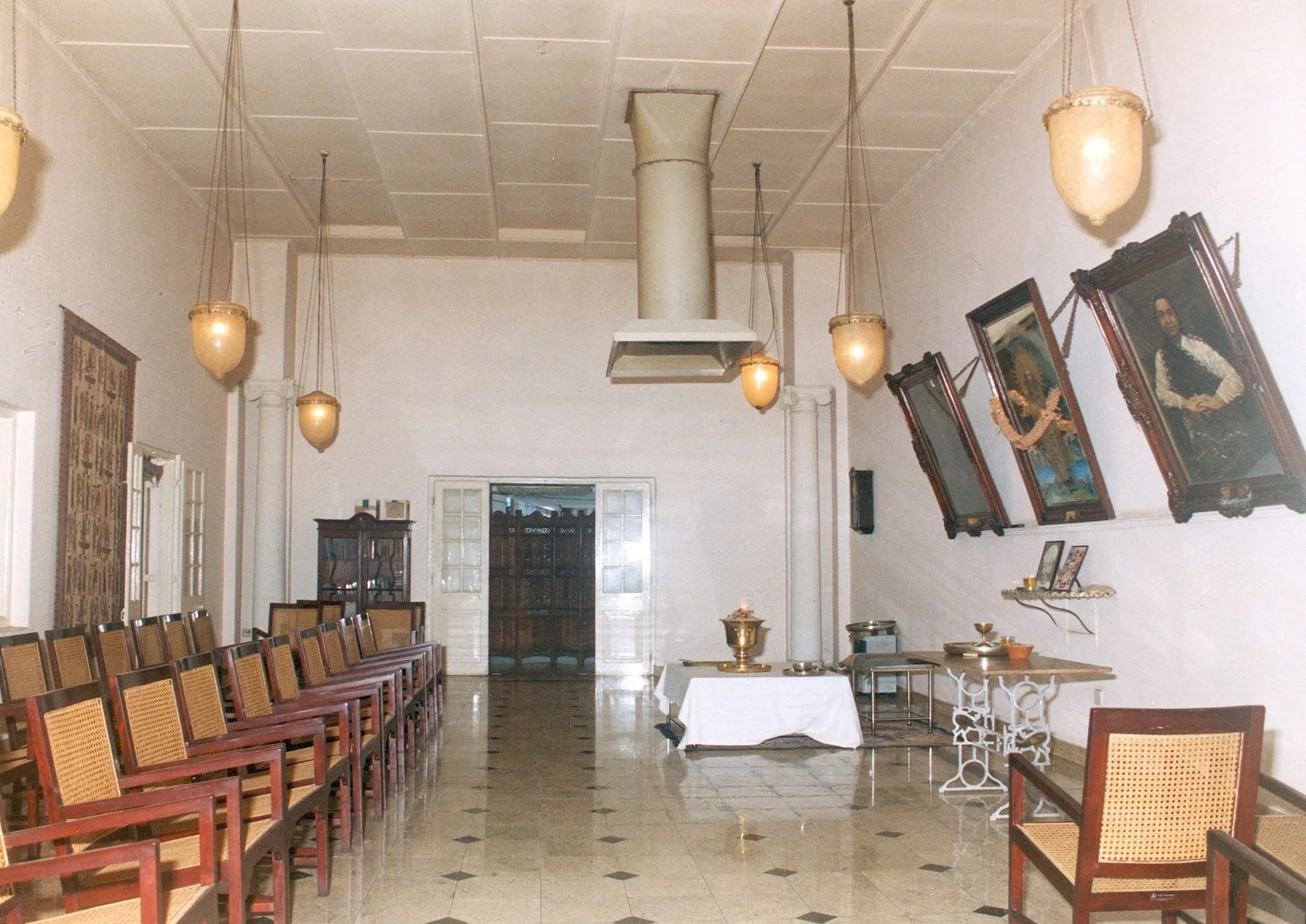
Figure 3. Prayer Hall with Ritual Fire.
The Anjuman presently retains the services of one Parsi mobed, appropriately trained and inducted in India, who conducts rituals for the laity. Occasionally, other mobeds are also present among the community, although those priests engage in secular professions rather than pursue a priestly career. Located at 40 Fifth Lane, Kollupitiya, Colombo 3, Sri Lanka, Navroz-Baug includes living quarters for the mobed and his family. Because the local Parsi community is too small demographically and well employed professionally, the staff who maintain Navroz-Baug usually are ethnically Sinhalese and religiously either Buddhist or Christian; they do not enter the prayer hall during religious services to ensure that the sanctity and ritual purity of the ceremonies is not violated by non-believers. In Sri Lanka, access to the fire temple prayer hall is restricted to Zoroastrians while religious services are in process; non-Zoroastrians who are not staff or servicing the temple building and grounds in other ways are discouraged from entering the premises. This arrangement reflects the needs of Sri Lankan Parsis. In India, where in several locations the ritual fires burn perpetually, all aspects of fire temple activities are restricted to Zoroastrians because there are sufficient numbers of coreligionists to undertake necessary tasks. In Iran and countries of the West, access is open to anyone irrespective of faith, with the ritual fires often being in separate rooms or behind glass panels to keep them safe from nonbelievers.
Behdin or lay Zoroastrians recite prayers from memory and/or from prayer books (Figure 4) in the prayer hall during the worship services. They can enter and leave as they wish, but are expected to recite prayers quietly, not engage in any non-religious activities, and cover their heads with a prayer cap or shawl in respect to the divinity and the holy fire. Prior to entering the prayer hall and making offerings to the fire, each Zoroastrian is required to cleanse himself or herself by performing pādyāb or ritual ablution of hands, feet, and face with water (Choksy 1989).
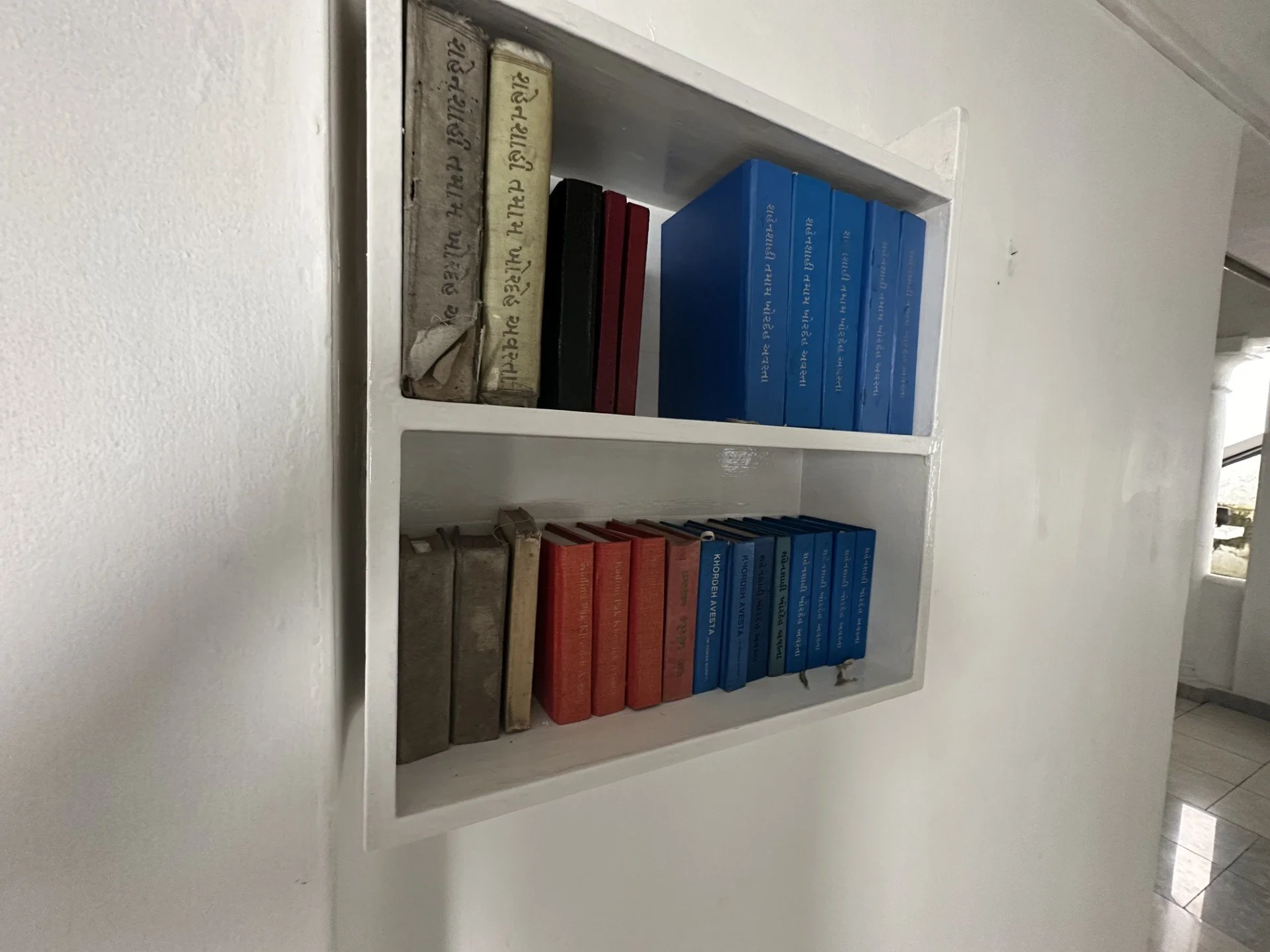
Figure 4. Prayer Books for use by Congregation.
Rituals and Votive Offerings
Many of the regular or outer rituals continue to be performed by the mobed in the presence of lay worshippers. These include:
Jashan or thanksgiving services (Figure 5) especially during auspicious days like Navroz or the New Year at the vernal or spring equinox (usually on March 21st), the birthday of the religion’s founder Zarathushtra or Zoroaster which is called Khordād Sāl, and on the six gāhānbār/gāhāmbār or feast days. During each ceremony, the service’s patron and family are acknowledged by recitation of their names within the tan-dorosti, or incantation blessing the wellbeing of the body. These are joyous occasions, often followed by family or group meals.
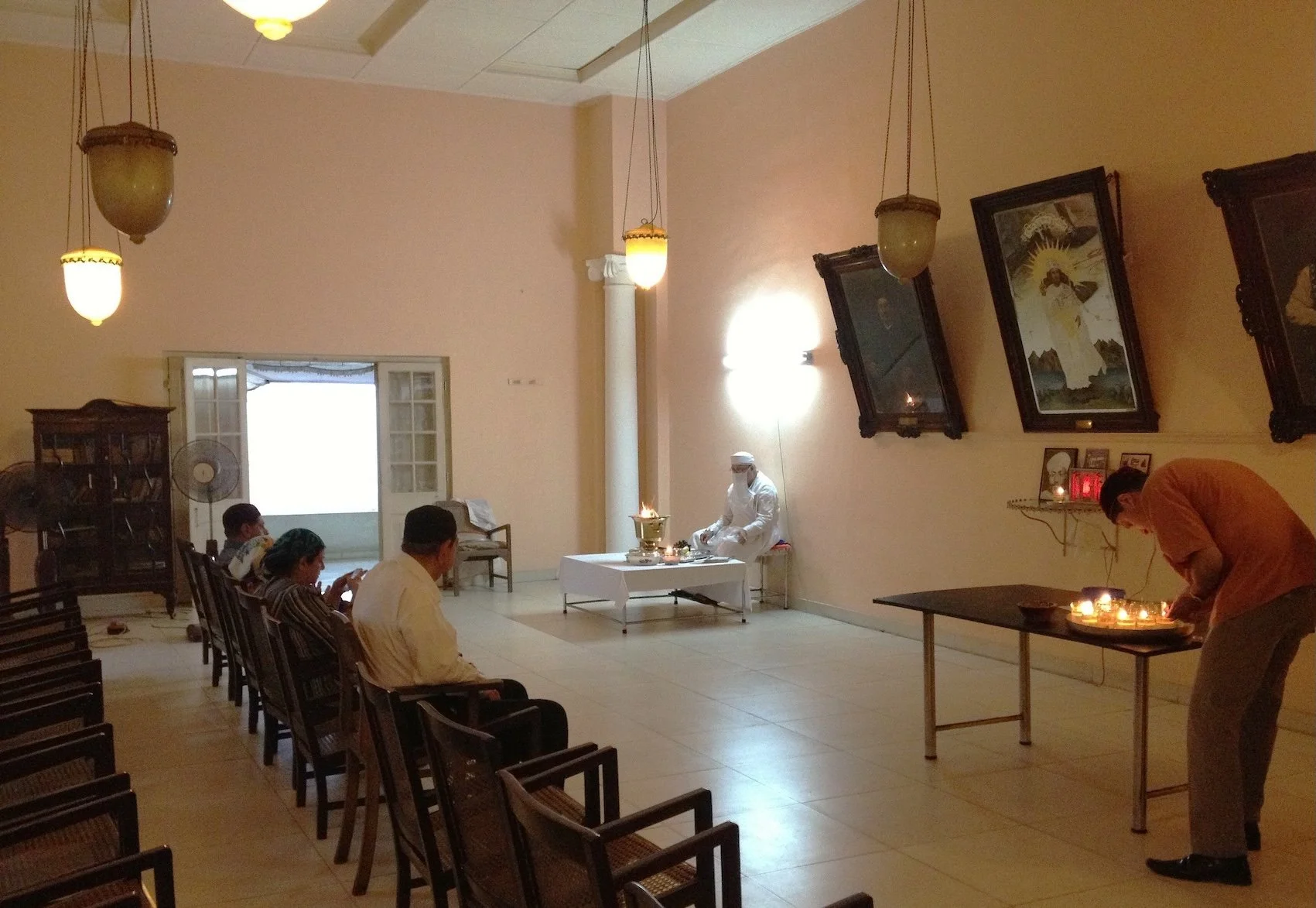
Figure 5. Jashan or a Thanksgiving Prayer Service by Magus for Congregation.
Some families hold navjote (known among Iranian Zoroastrians as sedre-pushi) or ceremonies of initiation into the faith, for Parsi boys and girls (Figure 6) at Navroz-Baug, officiated by the resident magus.

Figure 6. Magus Conducting a Girl's Navjote or Sedre-Pushi Initiation Ceremony.
Farokhshi, or recitation for the fravashis or immortal spirits of deceased Zoroastrians, take place at the fire temple on monthly and annual anniversaries of death, especially on the frawardīgān/muktād or All Souls days at the end of the religious calendar. Commemorative vases for deceased members of the Parsi Zoroastrian community of Ceylon-Sri Lanka are filled with flowers during these memorial days (Figure 7). On these occasions, families commission prayers from the priest for the wellbeing and blessing of souls of their deceased relatives.
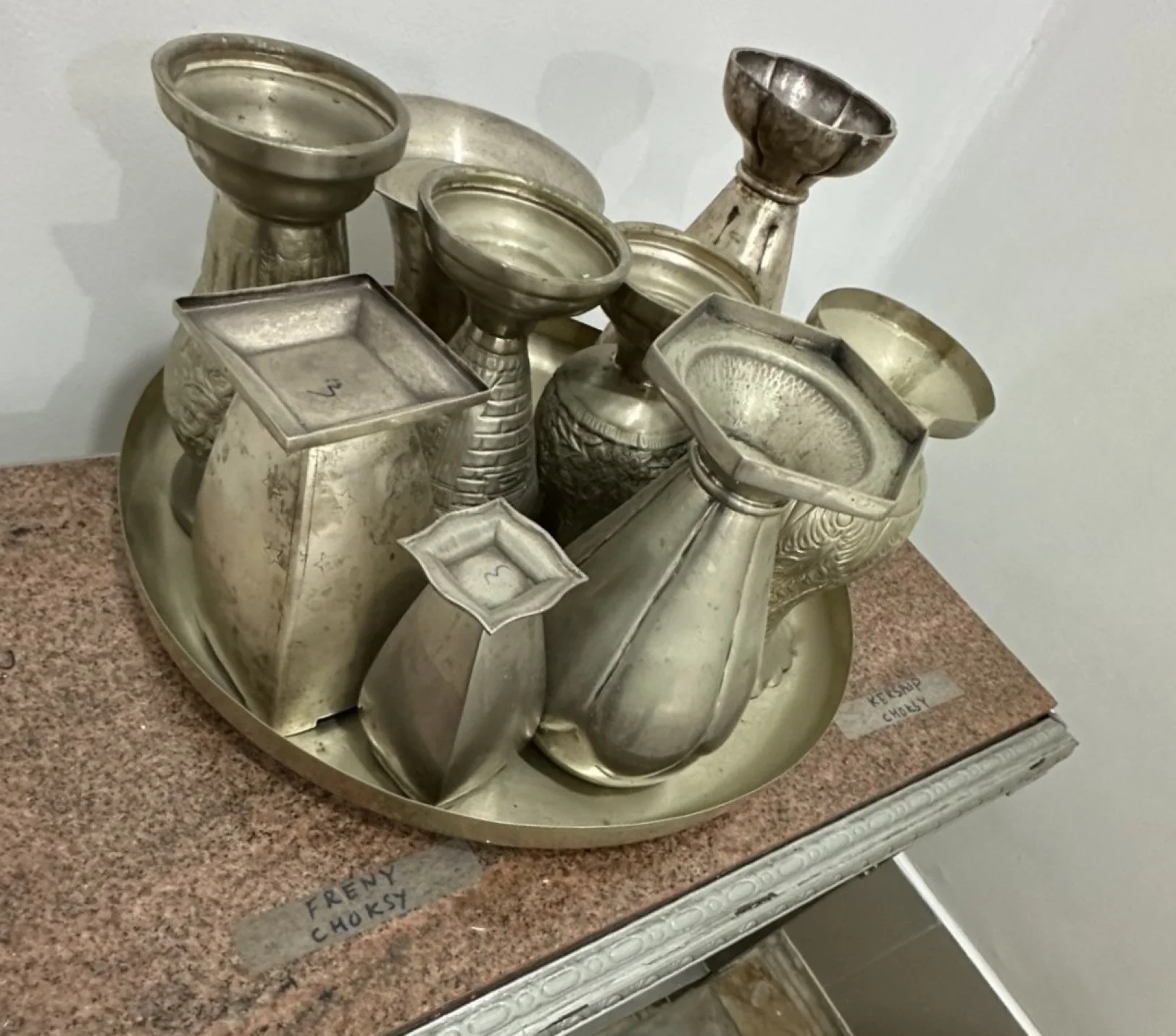
Figure 7. Commemoratory Vases.
During several of these religious ceremonies, fruits and sweet foods are consecrated as myazd or offerings (Figure 8) to Ahura Mazda and his Amesha Spentas, or beneficent immortal spirits, and Yazatas or other spirits worthy of worship, then partaken as chashni, i.e., consumed as by the congregation as a bonding rite.
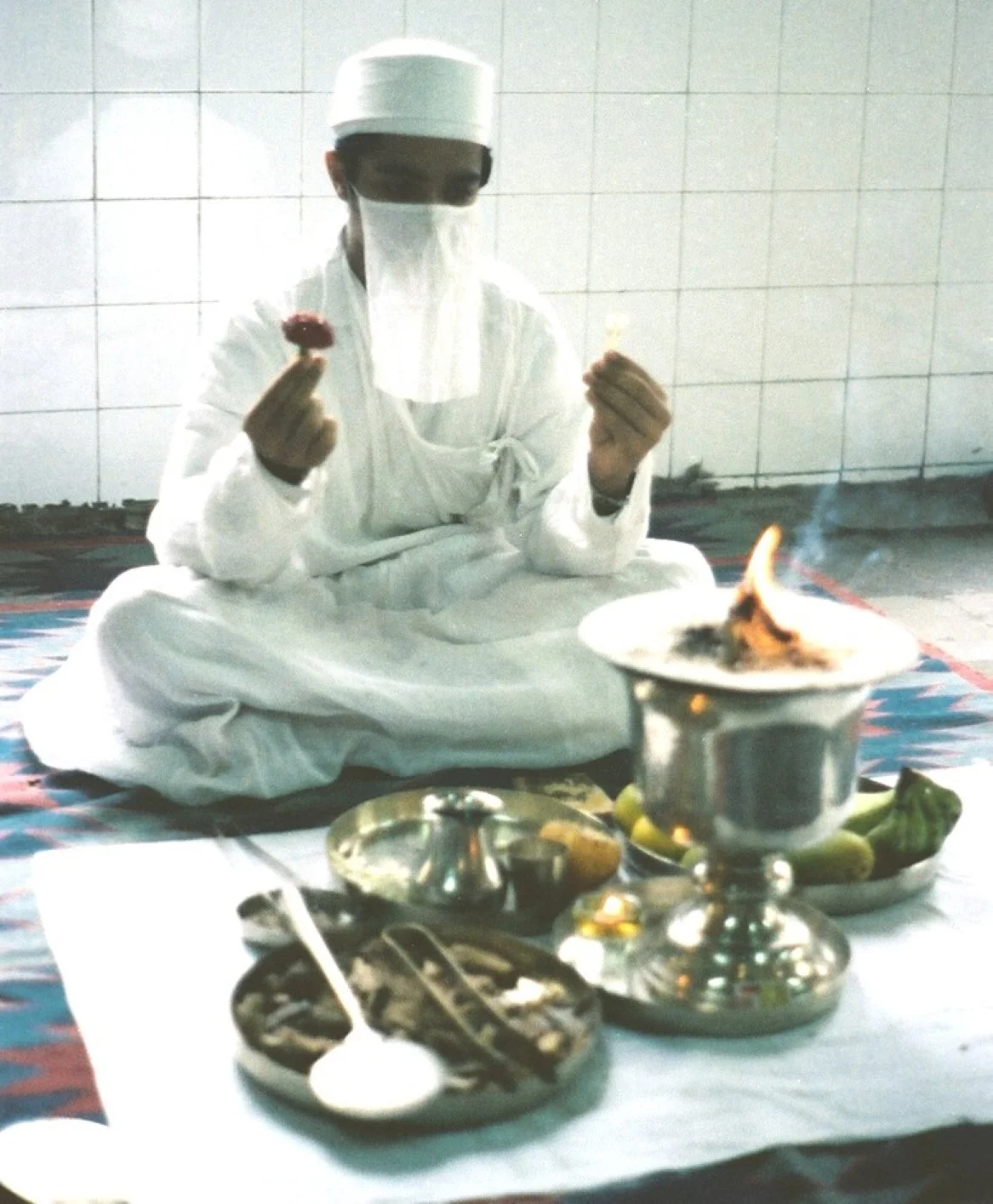
Figure 8. Mobed, Fire Altar, and Offerings.
Laity may pay to light oil lamps (Figure 9) as another form of votive offering – thereby filling the hall with light which symbolically encapsulates righteousness and benevolence of Zoroastrianism’s deity Ahura Mazda (Ohrmazd) or the Wise Lord/Lord Wisdom, while dispelling evil and malevolence of the faith’s devil Angra Mainyu (Ahriman) or the Angry Spirit/Painful Spirit.
Laity routinely purchase sukhar or small sandalwood sticks (Figures 9 and 10) as votive offerings of fuel to the fire and sprinkle lōbān or frankincense (Figure 10) onto the fire as well. In addition to feeding the flame, the sandalwood and frankincense fill the prayer hall air with pleasant fragrance believed to ritually purify the fire temple.
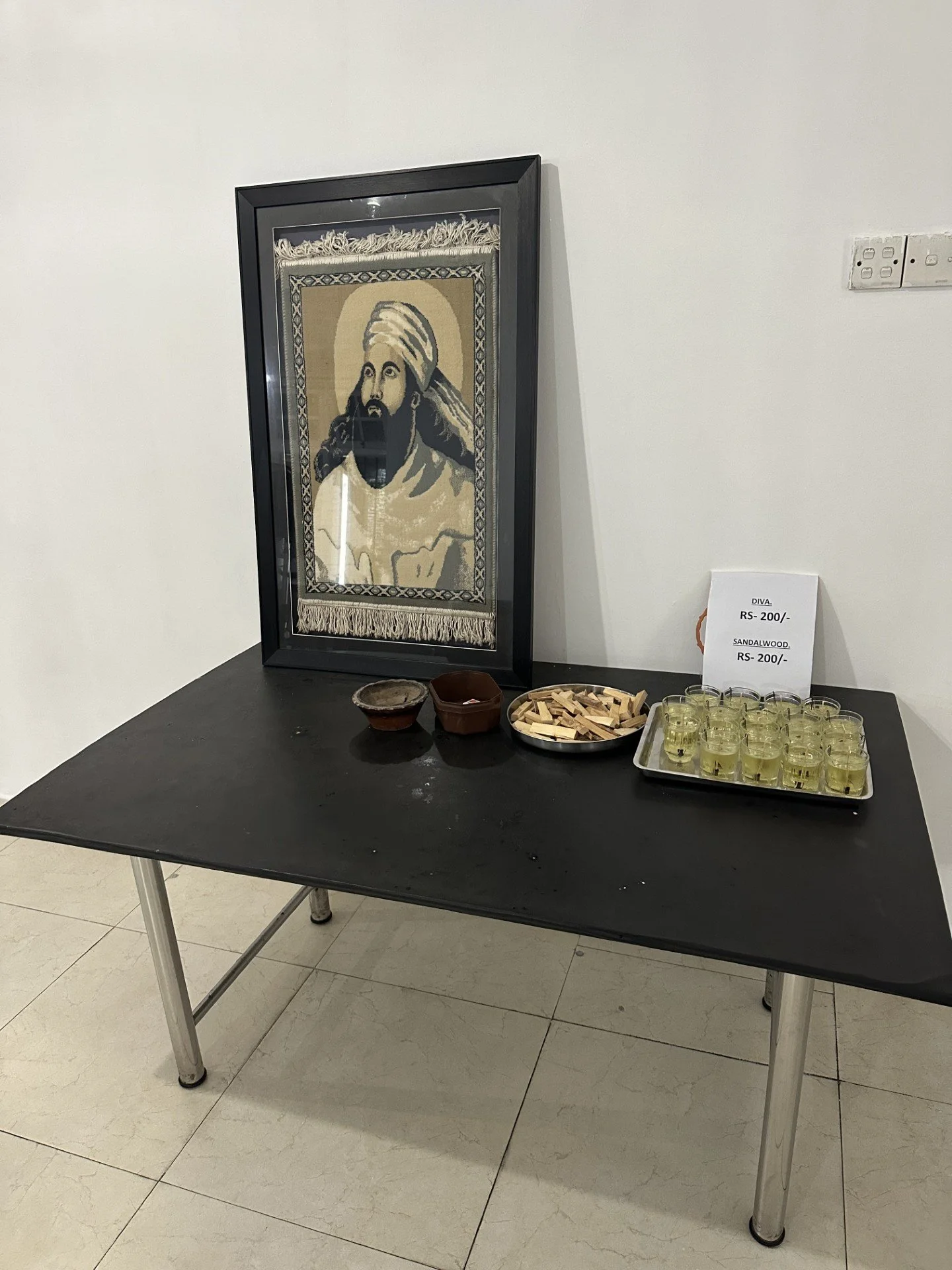
Figure 9. Table with Oil Lamp and Sandalwood Offerings.
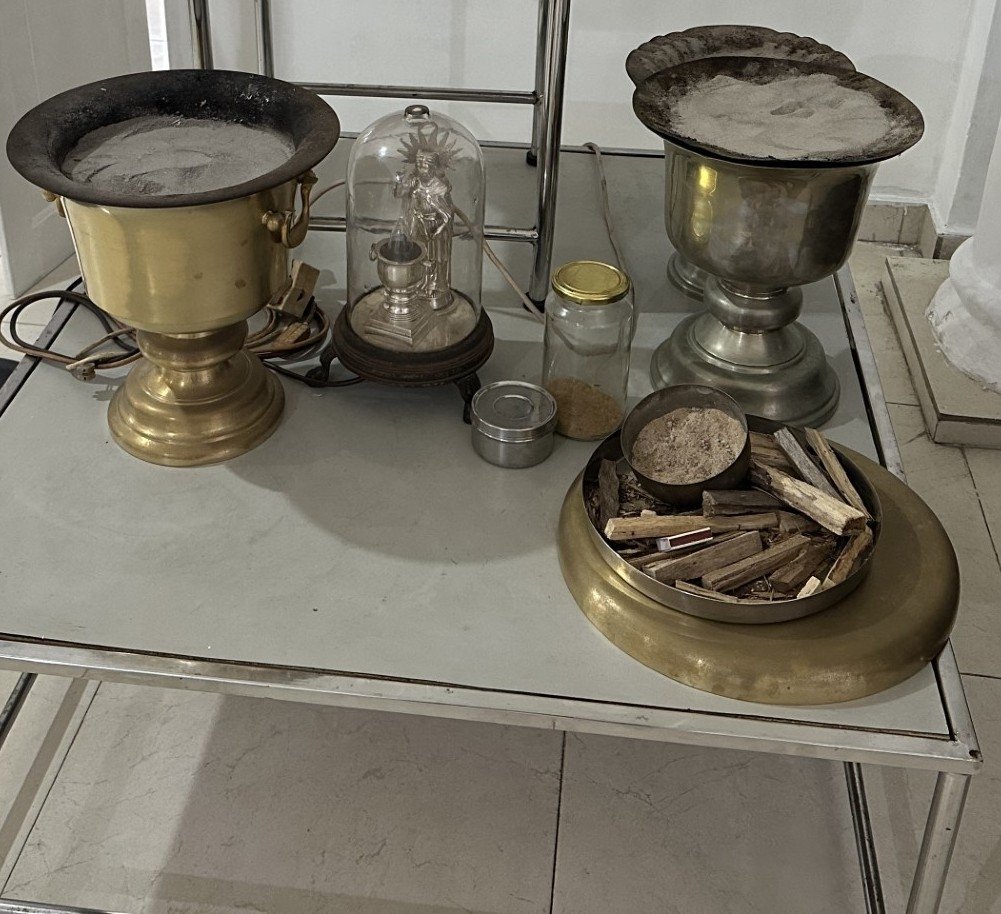
Figure 10. Sandalwood and Frankincense Tray next to Fire Altars.
Pious Collections: Images of the Prophet Zarathushtra
The most prominent and numerous items among the pious collection in various public rooms at Navroz-Baug are depictions of the prophet Zarathushtra. These include:
An ornate mirror embossed with a stylized image of the prophet with a radiant halo, with right hand raised and forefinger pointed upward (Figure 11), left hand holding a gurz or horned bull-headed mace. This image is based on a composite of two historical ones – a late-fourth century Sasanian-era depiction at Taq-e Bostan in Iran of the Zoroastrian yazata named Mithra/Mihr who oversees covenants and contracts, traverses the sky alongside the sun to watch over human interactions, and therefore bears a disk and rayed halo to denote his divine status; and the image of Plato pointing to the heavens in Raphael’s early-sixteenth century Vatican City fresco of The School of Athens. The Zarathushtra mirror is flanked by portraits of the fire temple’s donors.
A small glass bell jar, in the temple’s library, containing a silver statue of Zarathushtra standing before a silver fire altar in a pose similar to that on the mirror. The bell jar’s altar has an electricity-powered bulb flame (Figure 12).
Various other smaller embossed mirror and printed images of the Zoroastrian founder and legendary saints are hung on the walls as well as placed on furniture in the library (Figure 13).
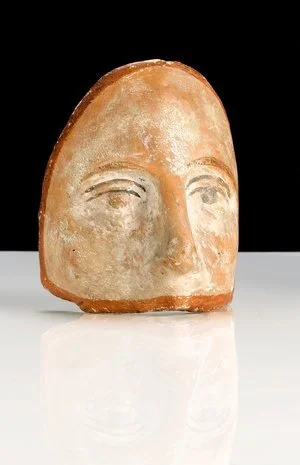
A small painted stucco sculptural image of Zarathushtra (Figure 14) in the temple’s front entrance veranda, similar to other depictions in the “prophet collection” but with a disk halo.
A small, weaved, cloth image of Zarathustra (Figure 9) on the table where sandalwood is placed for sale.
Multiple, contemporarily-printed, images of Zarathushtra, a legendary sage named Lohrasp, and modern Zoroastrian religious leaders can be found at focal points within the fire temple, with oil or electric lamp illumination (for example see Figure 11).

Figure 11. Image of Prophet Zarathushtra (Zoroaster) flanked by Portraits of Donors in Prayer Hall.

Figure 12. Silver Statue of Zarathushtra Standing before a Fire Altar in the Library.
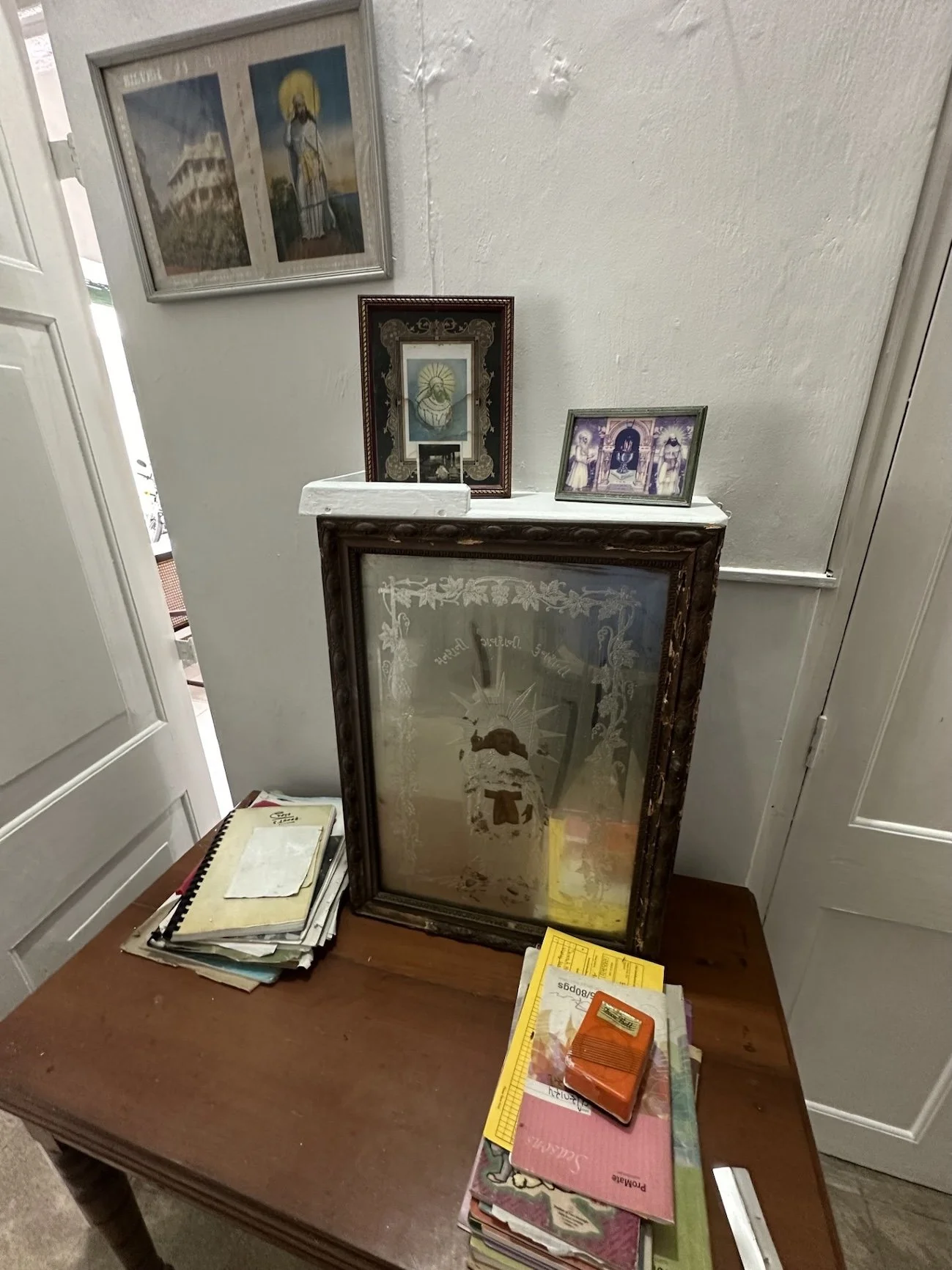
Figure 13. Images of Zarathushtra in Library.
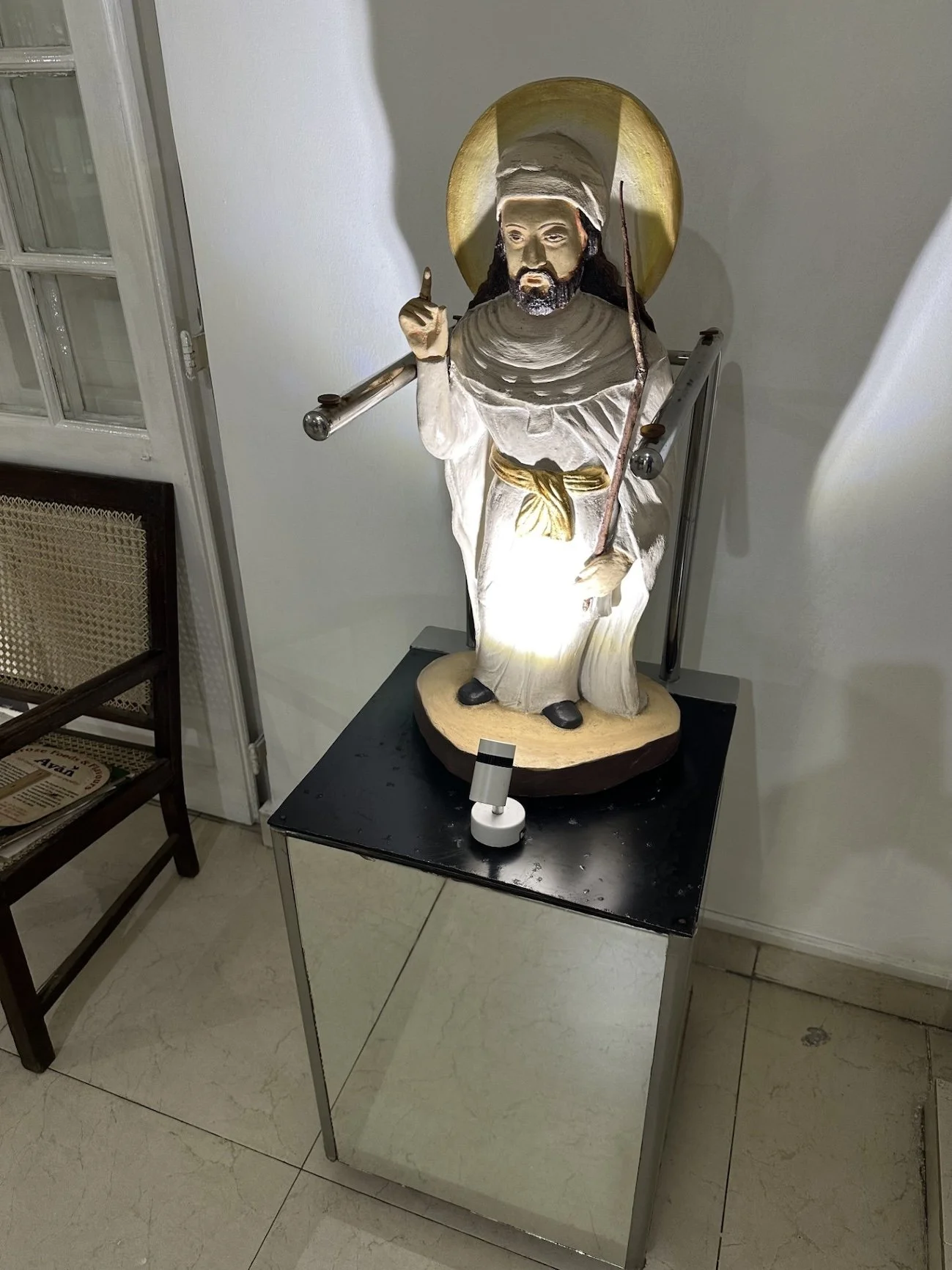
Figure 14. Stucco Sculptural Image of Zarathushtra in the Entrance Veranda.
Whereas the mirror-etched images of Zarathushtra date back several decades, most of the other images of the prophet are recent additions and represent a deepening trend toward veneration of the faith’s eponymous founder as a paygāmbar or messenger and revelator. These contemporary icons are acquired by Sri Lankan Parsis on visits to their coreligionists in Mumbai, Navsari, Surat, and Udwada in India and to Tehran, Yazd, and Kerman in Iran and thereafter donated to the Colombo fire temple for display.
Pious Collections: Scholarly Books on Zoroastrianism
The Navroz-Baug fire temple has a library/reading room off its front entrance veranda, with windows open to tropical sunlight and breezes, with a desk and chairs.
In this reading room, several glass-doored bookcases contain printed translations of Zoroastrian scripture, namely, the Avesta, and its exegeses and various commentaries, namely the Zand and various Pahlavi Texts (Figure 15).
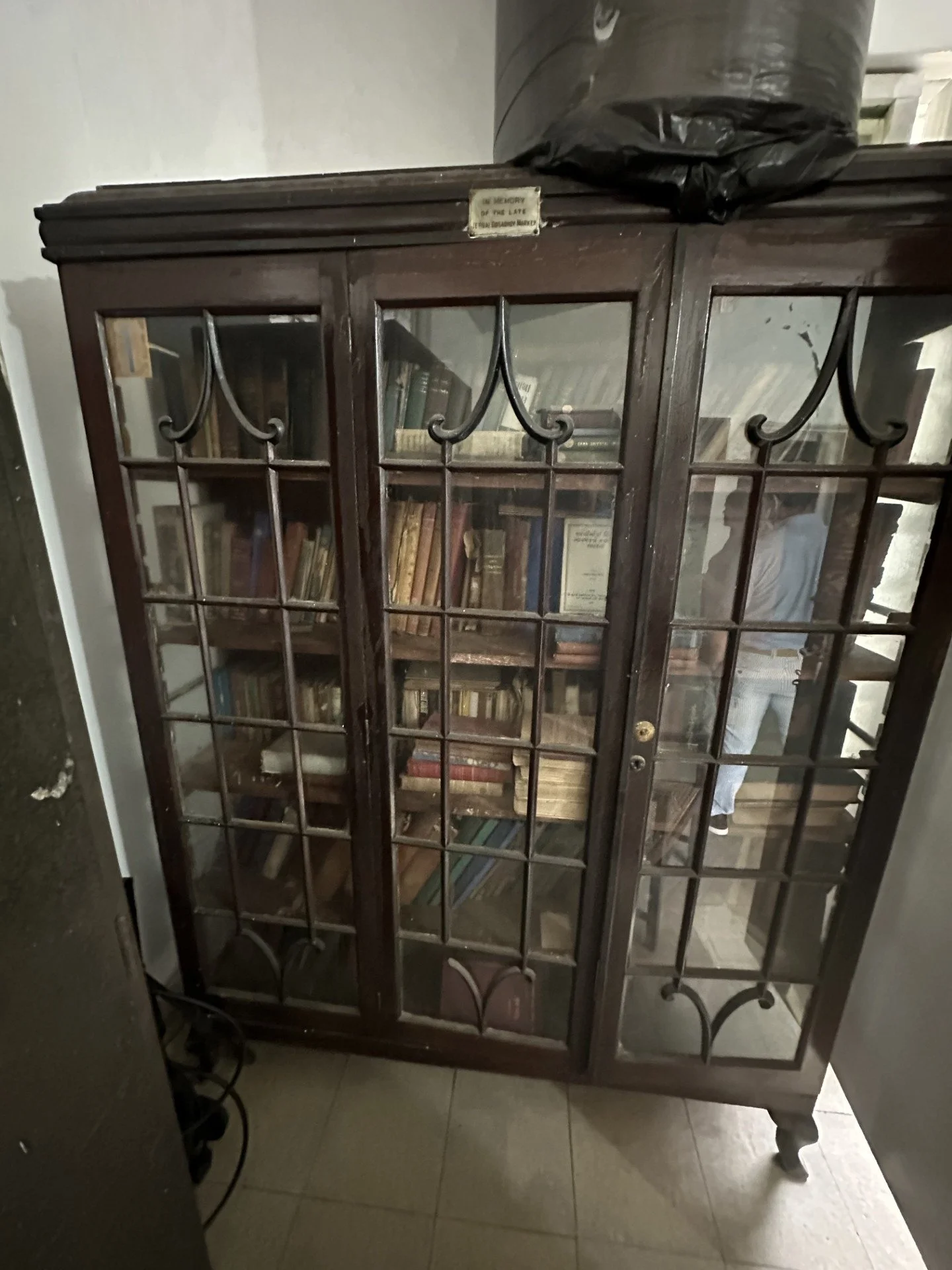
Figure 15. Library Room with Studies on Zoroastrianism.
Other bookcases (Figure 16) hold Indian and European studies on Zoroastrianism printed during the nineteenth and twentieth centuries, including translations and commentaries of daily prayers by the local community’s well-known scholar Framroz Rustomjee (1896–1978).

Figure 16. Library Room with Studies on Zoroastrianism and Metal Religious Imagery.
“Knowledge is an embellishment in times of success (and) a shield in times of trouble,” the chief magus or Zoroastrian high priest Adurbad i Mahrspandan is said to have written in Iran during the fourth century. The Parsis of Ceylon-Sri Lanka distinguished themselves during colonial and post-independence times as a community, whose professional achievements and economic success are the results of acquiring and applying knowledge both secular and religious. They have special fondness for learning about their faith’s and their ethnoreligious community’s tenets, practices, literatures, and histories – even hosting lectures by visiting scholars. Therefore the library collection, although modest in scope and donated by members of the local Parsi community, holds a place of pride.
Place of Piety, Community, Knowledge, and Memory
Fire temple pious collections are an extension into the religious sphere of Parsi Zoroastrians’ fondness for having cabinets of curios in their homes filled with family collectibles including ritual objects and manuscripts. The ritual objects found in Parsi homes and in their fire temples include ses or round metal tray for holding utensils for weddings and initiations such as a paro or conical filigreed metal container for sweets and sugar, a divo or glass or metal oil lamp holder often embossed with a depiction of Zarathushtra, a gulābāz or tall narrow-necked sprinkler of rose water, and a pigāni or small container of vermilion to mark foreheads during blessings (Figure 17). Popular manuscripts include those of the Vidēvdāt (Vendīdād) or Code Repudiating the Demons (Figure 18), which is part of the Avesta.
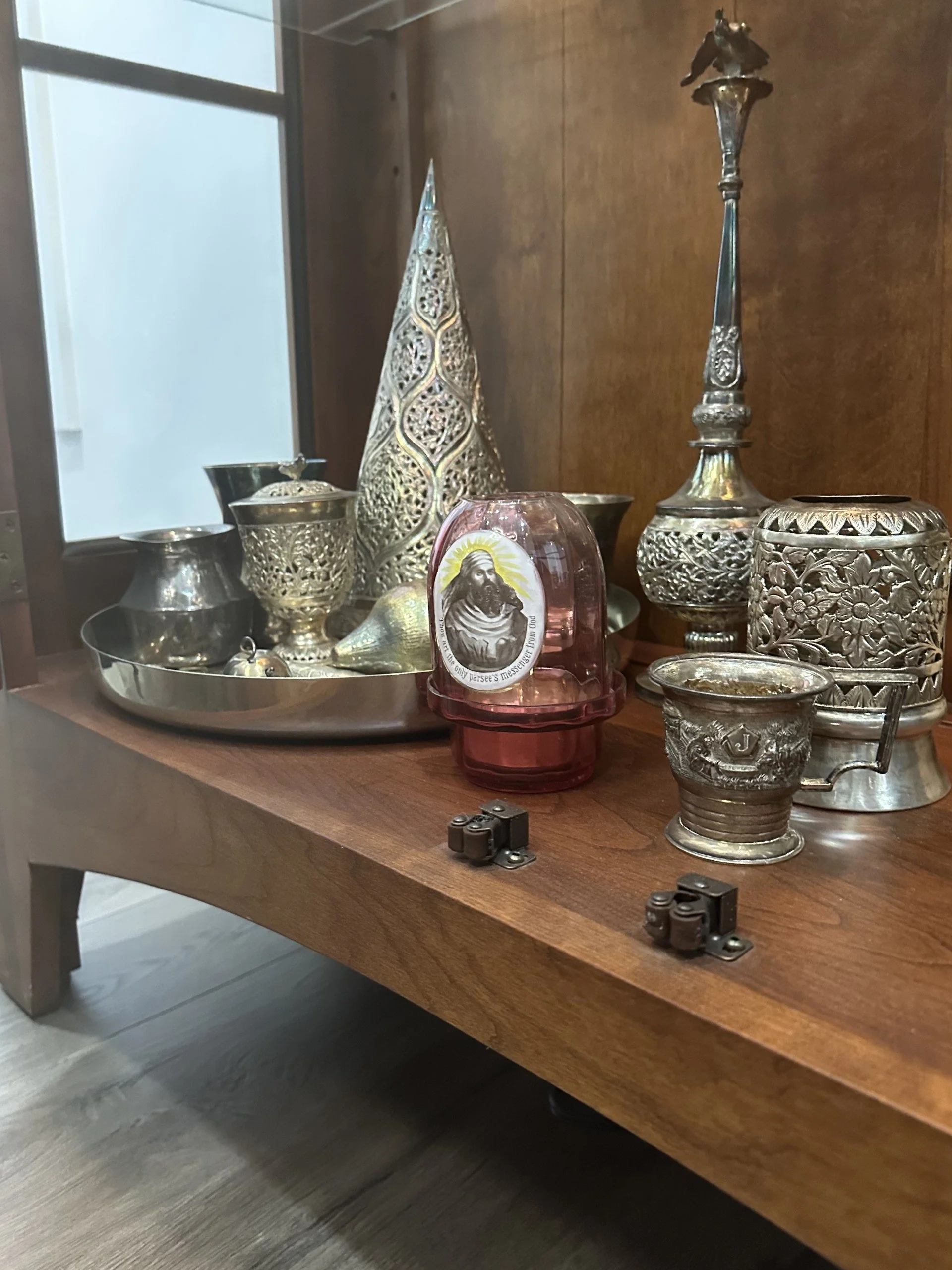
Figure 17. Ses and Associated Ritual Objects.
Navroz-Baug since its founding in 1927 has been the central node for the Zoroastrians of Ceylon-Sri Lanka. It is the residence of the priest who oversees the ritual and ceremonial aspects of communal life. It is the calm, fragrant, icon-filled, agiāry where devotees can ask for divine blessing and favor, and imbue the sense of the holy. Its library was and still is consulted by those individuals seeking further learning. Its verandas and rooms house the experiences of generations of Parsis who prayed, celebrated, mourned, laughed, cried, ate and drank, in hamazor or shared spirit of commonality in faith, tradition, past, present, and future (Choksy 2106). And, on a personal note, Navroz-Baug holds fond memories of a childhood and youth among a vibrant and persevering ethnoreligious minority under the tropical sun on “the Pearl of the Indian Ocean.”
Bibliography
Boyce, Mary. 1975. “On the Zoroastrian Temple Cult of Fire.” Journal of the American Oriental Society, 95, pp. 454–465.
Boyce, Mary. 1979. Zoroastrians: Their Religious Beliefs and Practices. London: Routledge & Kegan Paul.
Boyd, James W., and Kotwal, Firoze M. 1983. Worship in a Zoroastrian Fire Temple. Indo-Iranian Journal, 26, pp. 293–318.
Choksy, Jamsheed K. 1989. Purity and Pollution in Zoroastrianism: Triumph Over Evil. Austin: University of Texas Press.
Choksy, Jamsheed K. 2005a. Zoroastrianism. In Encyclopedia of Religion, 2nd ed. New York: Macmillan, vol. 14, pp. 9988–10008.
Choksy, Jamsheed K., 2005b. Ateshgah. In Encyclopedia of Religion, 2nd ed. New York: Macmillan, vol. 1, pp. 568–571.
Choksy Jamsheed K. 2005c. Parsis. In Encyclopedia of Religion, 2nd ed. New York: Macmillan, vol. 10, pp. 6997–7001.
Choksy, Jamsheed K. 2006, Altars, Precincts, and Temples: Medieval and Modern Zoroastrian Praxis. Iran: Journal of the British Institute of Persian Studies, 44, pp. 327–346.
Choksy, Jamsheed K. 2007a. Reassessing the Material Contexts of Ritual Fires in Ancient Iran. Iranica Antiqua, 42, pp. 229–269.
Choksy, Jamsheed K. 2007b. Iranians and Indians on the Shores of Serendib (Sri Lanka). In Parsis in India and the Diaspora, eds. J. Hinnells and A. Williams. London: Routledge, pp. 181–210.
Choksy, Jamsheed K. 2016. Zoroastrians of Sri Lanka: Persistence and Adaptation. In Threads of Continuity: Zoroastrian Life and Culture, ed. S. Cama. New Delhi: UNESCO-PARZOR, pp. 454–466.
Giara, Marzban J. 2002. Global Directory of Zoroastrian Fire Temples. 2nd ed. Mumbai: Jenaz Printers.
Modi, Jivanji J. 1937. The Religious Ceremonies and Customs of the Parsees, 2nd ed. Bombay: British India Press.
Niechciał, Paulina. 2013. Mniejszość zaratusztriańska we współczesnym Teheranie. Nomos. (In Polish).
Niknam, Kurosh. 2011. Az Nowruz tā Nowruz. 5th ed. Pacoima: Ketab Corp. (In Persian).
Copyright
All photographs are copyright of Jamsheed K. Choksy and reproduced by permission.
Jamsheed K. Choksy (BA, Columbia University; PhD, Harvard University) is Distinguished Professor, Director of the Inner Asian and Uralic National Resource Center, and former Chairperson of the Department of Central Eurasian Studies and of the Department of Near Eastern Languages and Cultures, at Indiana University, Bloomington. He was nominated by the US President and confirmed by the US Senate as a member of the Council overseeing the National Endowment for the Humanities. He is an elected Fellow of the American Academy of Arts and Sciences, the Royal Asiatic Society, the American Numismatic Society, and the Explorers Club. Choksy has held fellowships from the Harvard Society of Fellows (Junior Fellow), Institute for Advanced Study at Princeton, NEH, Guggenheim Foundation, Center for Advanced Study in the Behavioral Sciences, American Philosophical Society, and American Academy of Religion. He has been a Phi Beta Kappa Visiting Scholar. He served as a consulting editor of the Encyclopedia Iranica. He is the author of Purity and Pollution in Zoroastrianism (1989), Conflict and Cooperation in Medieval Iranian Society(1997), and Evil, Good, and Gender in Zoroastrian Religious History (2002), editor of Gifts to a Magus(2013), associate editor of Encyclopedia of Sex & Gender, 4 vols. (2007). Choksy has published more than 60 peer-reviewed humanities and social science articles, and over 90 foreign affairs analyses.
https://ceus.indiana.edu/people/current-faculty/choksy-jamsheed.html