St Patrick’s Church, Belfast
By Emma J. McAlister
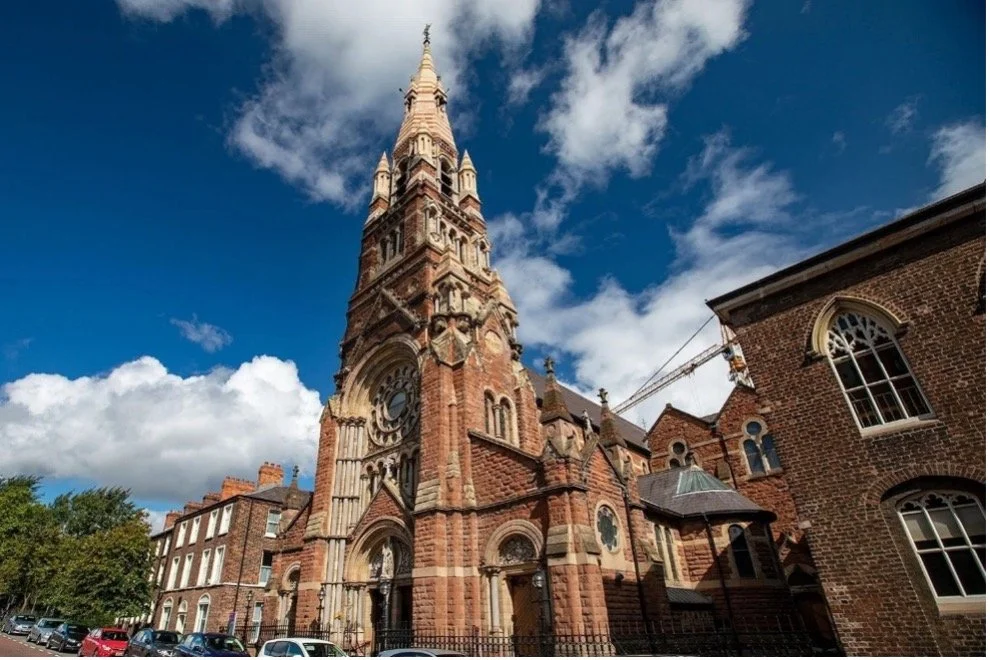
Figure 1. St Patrick's Church. https://greatplacenorthbelfast.com/our-members/st-patricks-church-parochial-house/
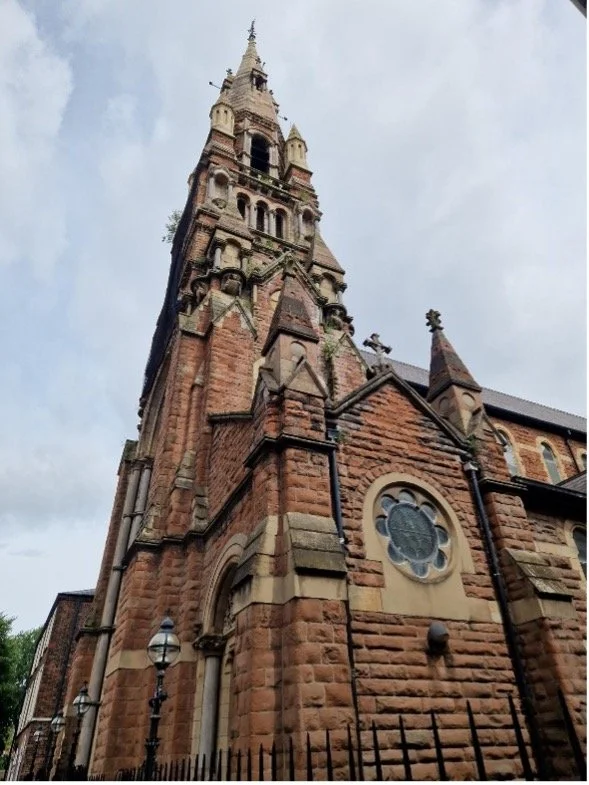
Figure 2. St Patrick's Church. Author's own photograph.
Introduction
St Patrick’s Catholic Church is located in Belfast City Centre. The first church on its site opened in 1815, while the current building opened in 1877, making it the second oldest Catholic church in the city. It was designed by ‘the city’s leading Catholic architect’ Timothy Hevey (1846-1878) and configured to seat 2000 people (Dictionary of Irish Architects). Built in the Romanesque style, it is an impressive and imposing grade B+ listed building with four-stage tower and spire.
As Belfast developed into a major industrial centre, its expanding workforce included increasing numbers of Catholic migrants, creating a growing demand for places of worship. The construction of the church was made possible in part by funding from Protestant patrons, much like several of the other older Catholic churches in the city. These donations reflected both the relatively tolerant religious climate of the period and the practical need for additional assistance, as Belfast's rapidly growing Catholic community had limited financial resources for church construction at this time.
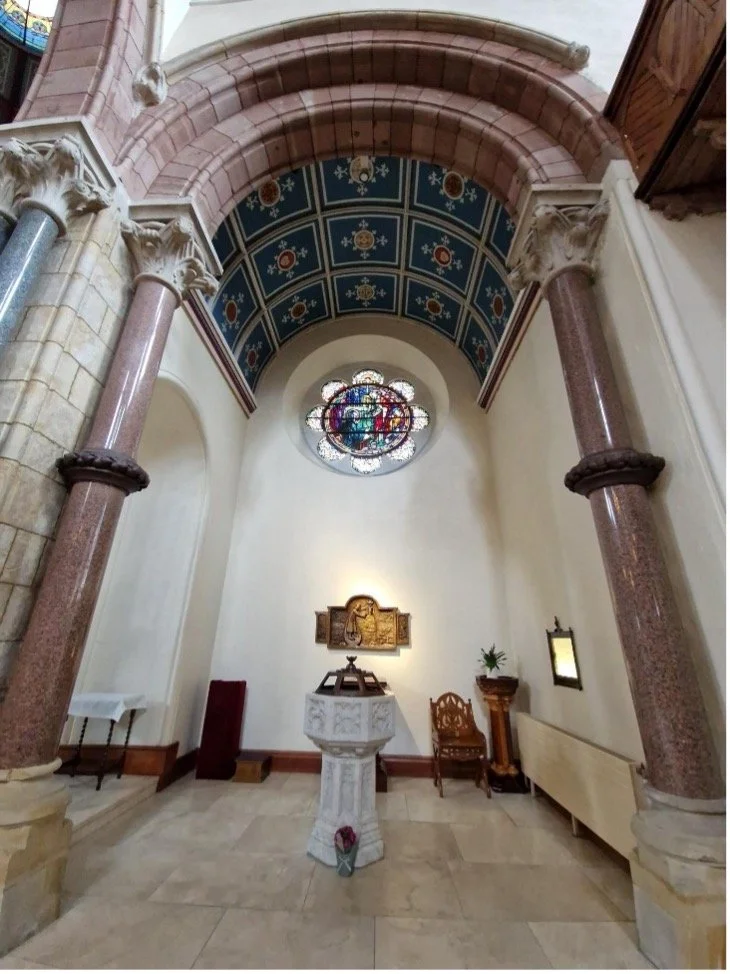
Figure 3. The beautiful ceiling above the baptismal font. Author's own photograph.
St Patrick’s Church is one of fifteen historical buildings and sites that are included in the ‘Great Place North Belfast’ project that supports regeneration and heritage preservation of places in that area. St Patrick’s is not only a place of active Catholic worship; because of its beautiful architecture and unique collections it is a popular spot for tourists and locals alike.
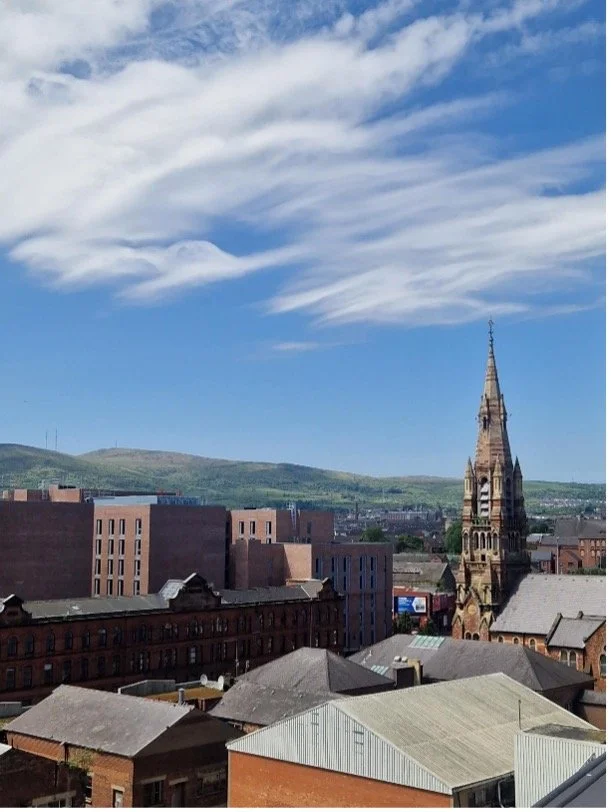
Figure 4. Belfast skyline with St Patrick's Church. Author's own photograph.
The Collection
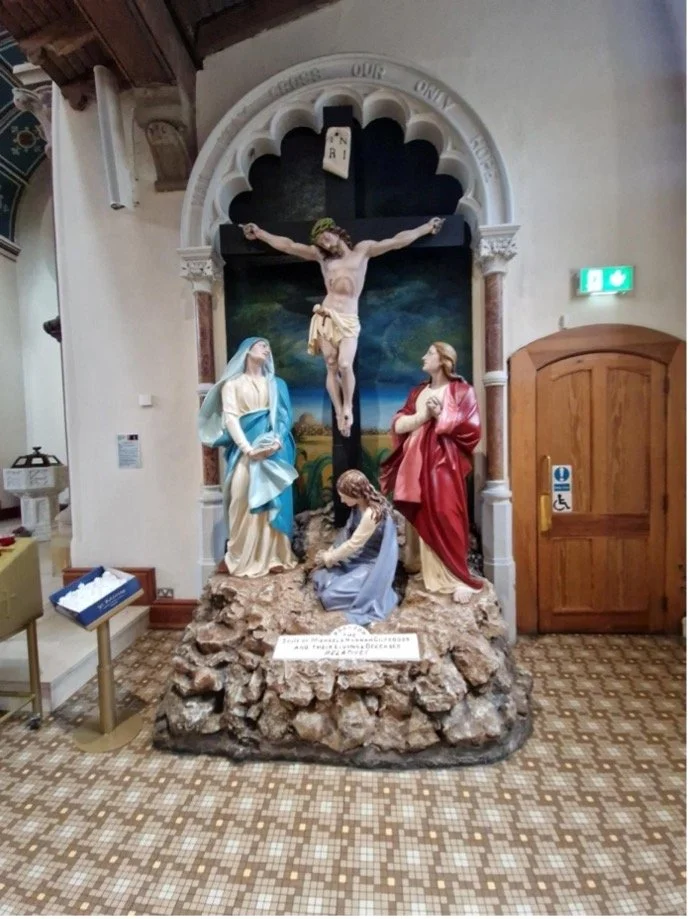
Figure 5. Christ's Crucifixion statue inside St Patrick's Church. Author's own photograph.
St Patrick’s has many precious objects in its collection. Like most Catholic churches it contains many statues and images. One significant statue is the seven-foot tall St Patrick above the entrance door, which was carved by James Pearse (1839-1900), the father of the famous Irish revolutionaries Padraig Pearse (1879-1916) and William Pearse (1881-1916).
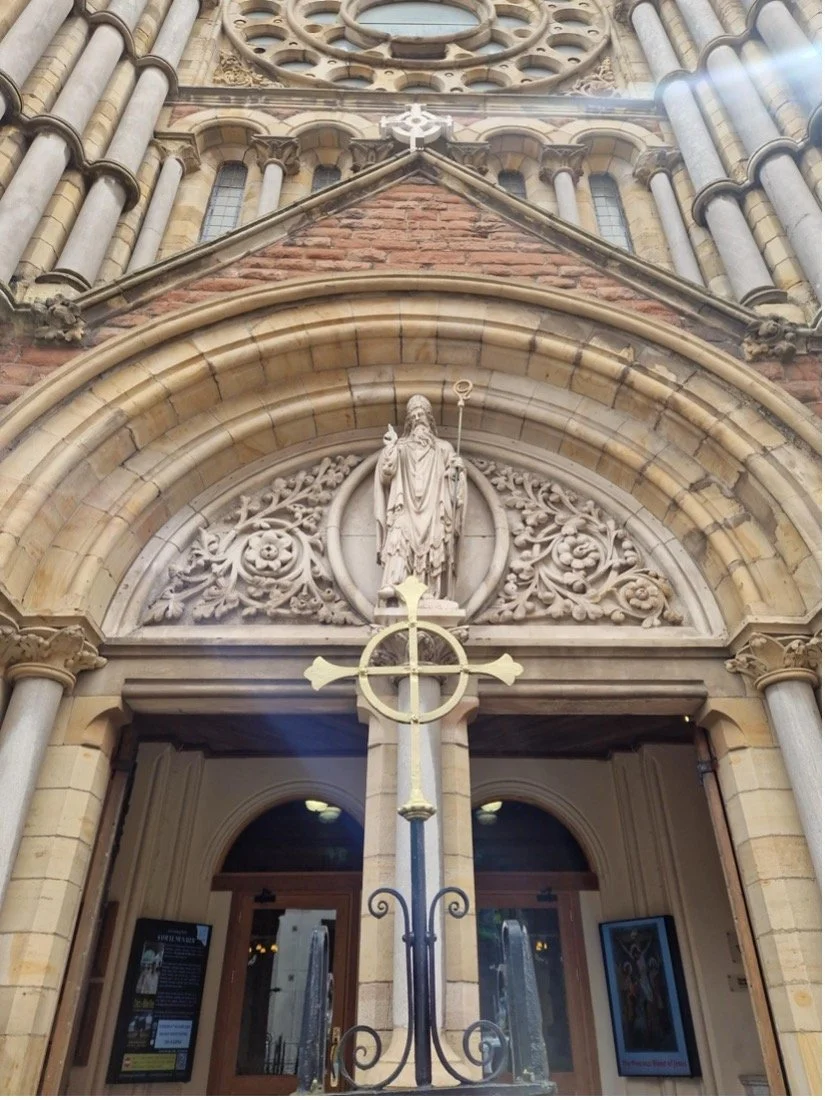
Figure 6. Statue of St Patrick at the entrance of the church. Author's own photograph.
Relics
Relics in the sacristy
The sacristy of a Catholic church is a place where valuable liturgical and ritual objects are kept safe, such as gold and silver chalices and monstrances. St Patrick’s sacristy is also home to several first-, second- and third-class relics. Within Catholic tradition, first-class relics are the physical remains of a saint or objects associated with Christ and the Holy Family (known as Passion relics); second-class relics are objects used or owned by a saint during their lifetime; and third-class relics are items that have been touched to a first-class relic. Among these are St Anthony, St Patrick, Pope John Paul II and St Jude’s corporal relics, as well as nails traditionally believed to have been touched to the nails used in Christ’s crucifixion, making them third-class relics rather than the original Passion relics themselves.
St Anthony of Padua
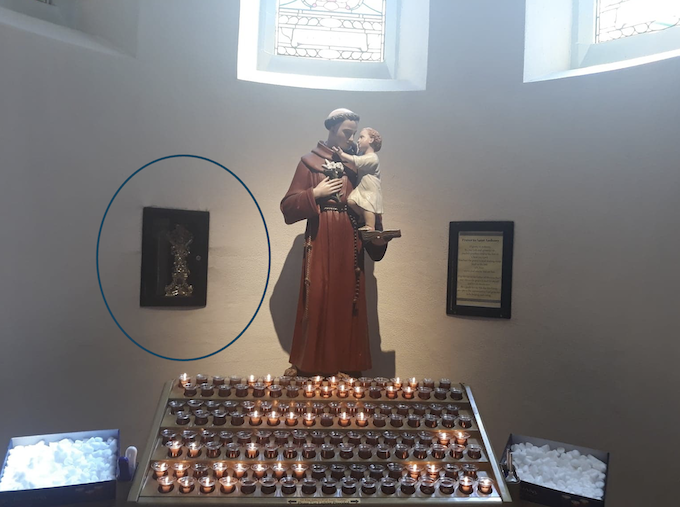
Figure 7. A Shrine to St. Anthony of Padua featuring a statue, candles, a framed prayer, a reliquary with a corporal relic inside (circled) and a place for kneeling. Author’s own photograph.
According to a poll led in 2005, St Anthony of Padua is Ireland’s favourite saint (with St Padre Pio coming second)! This reflects the fact that many Irish Catholics hold a strong devotion to St Anthony, the patron saint of lost things.
Displayed in one of St Patrick’s side chapels, the relic of St. Anthony is a first-class corporal relic (a piece of bone) housed in an ornate ‘modern’ reliquary made of gilded silver. The relic and reliquary are venerated every Tuesday during and after afternoon Mass. The reliquary was manufactured in Italy around the late 1970s or early 1980s and given to the church in 1985. Its popular ‘molten’ design is a pastiche of reliquary imagery from the sixteenth and seventeenth centuries. It is decorated with flowers, birds, and angels with a crown on the top, symbolic of heaven.
The Shrine of St Patrick’s Hand and the Ulster Museum
‘The Shrine of St Patrick’s Hand’ is a medieval reliquary made of sliver gilt and shaped into a forearm and hand, and itstands at forty-eight centimetres high. The use of precious materials signals the object's importance and elevated status from the moment of its creation. Its shape is that of a traditional bishop’s hand, gloved and decorated with a ring, and with semi-precious stones or coloured glass adorning the cuff and bottom of the sleeve. The wrist is decorated with a bracelet of fleur-de-lis, and the sleeve is intricately embossed with animals symbolic of kingship, such as griffins, stags, lions and birds. It is likely that the institutional Catholic Church commissioned it because of its expensive material and composition.
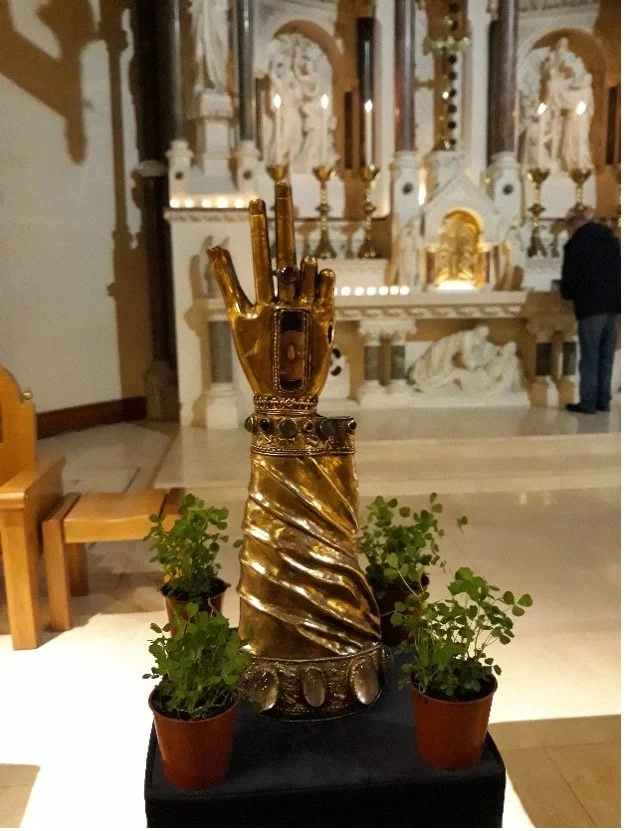
Figure 8. The Shine in St Patrick’s Church on St Patrick's Day 2019. Author’s own photograph.
Since 1986, for most of the year the Shrine is displayed in the Ulster Museum (part of National Museums Northern Ireland) in South Belfast, on the second floor in the Saints and Scholars gallery and displayed in a 360° display case that allows the visitor to examine the reliquary from all angles. It is on loan from the Diocese of Down and Connor; therefore, it is officially owned by the Catholic Church.
The Shrine is returned annually on St Patrick’s Day (17th March) to St Patrick’s Church. There, a corporal relic of St Patrick from the church’s treasury is reinserted into the shrine’s relic chamber ready for the St Patrick’s Day Mass celebrations. It is the only late-medieval reliquary still used in ritual in Ireland today.
For further analysis of the Shrine’s journey between display case and altar, please see my chapter published in The Bloomsbury Handbook of Religion and Heritage in Contemporary Europe.
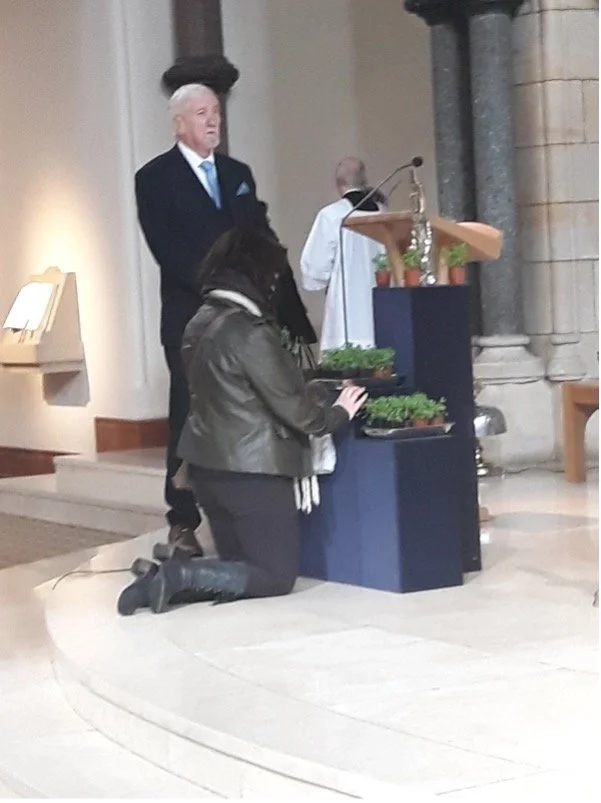
Figure 9. A parishioner venerating the Shrine in St Patrick's Church. Author’s own photograph.
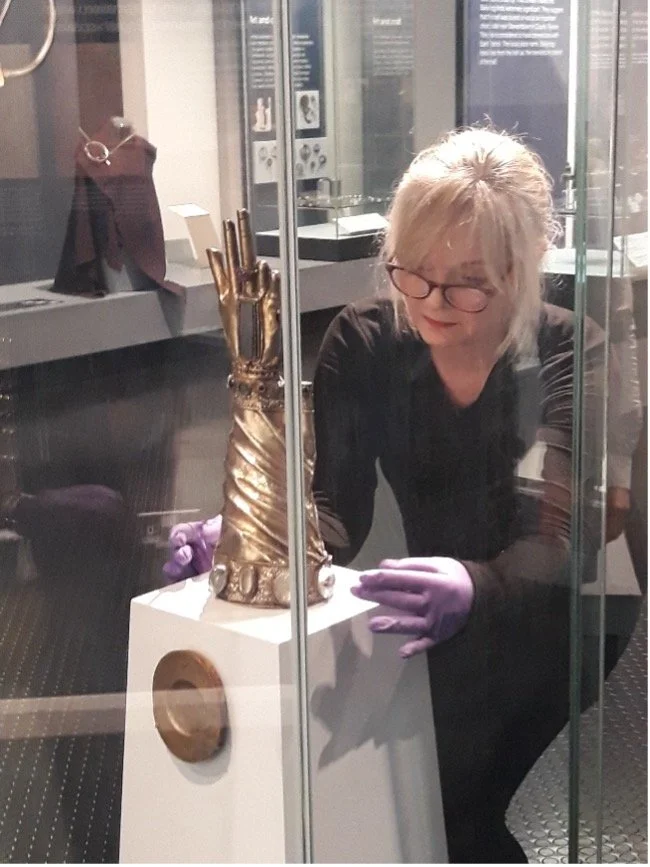
Figure 10. The Shrine being reinstated into its display case at the Ulster Museum. Author’s own photograph.
Sir John Lavery
St Patrick’s Church not only contains typical devotional objects - the church also houses an important religious artwork by Irish impressionist painter Sir John Lavery (1856-1941). Lavery is best known for his high society portraits and stunning landscapes of his travels to places like Morocco, Switzerland and America. He was also a Belfast native who was baptised in old St Patrick’s Church.
The artwork displayed in St Patrick’s is a triptych entitled The Madonna of the Lakes and depicts the Virgin Mary, St Brigid and St Patrick. He used his wife Hazel Lavery and his stepdaughter as models for this painting. The painting was unveiled in the church in 1919. It continues to be a much-admired piece for its skilled artistry and an important stop on the tourist trail for anyone visiting Belfast, but it is also treated with reverence by the church and its parishioners because it is a sacred image of the Madonna / the Virgin Mary.
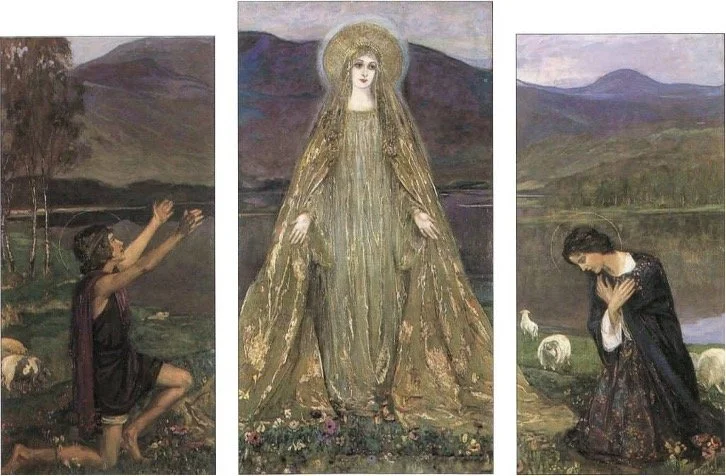
Figure 11. 'Madonna of the Lakes' by John Lavery.
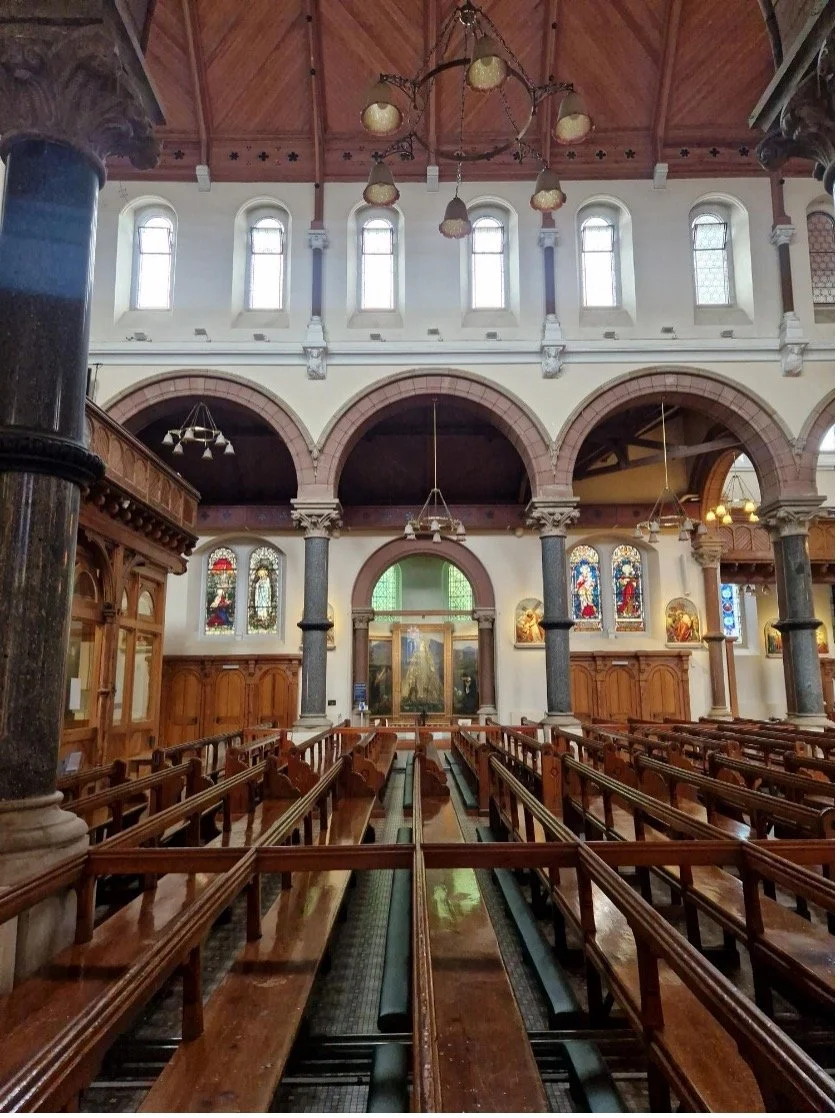
Figure 12. Inside St Patrick's Church. Author's own photograph.
Lavery also donated a beautiful Celtic cross that is now encased and placed at the bottom of the triptych. Lavery commissioned the cross from sculptor ‘Mr R. May’ for St Patrick’s Church. The cross is carved from a piece of Irish oak wood that formed part of the roof of the ancient Balinderry Church that was built on the shore of Portmore Lough, near Lough Neagh, in the early 1400s. It shows two inscriptions in old Irish and an image of Jesus wearing a crown and a kilt. The cross was nearly destroyed in a church fire in 1995 and, although damaged, it was saved just in time by the Parish Sacristan.
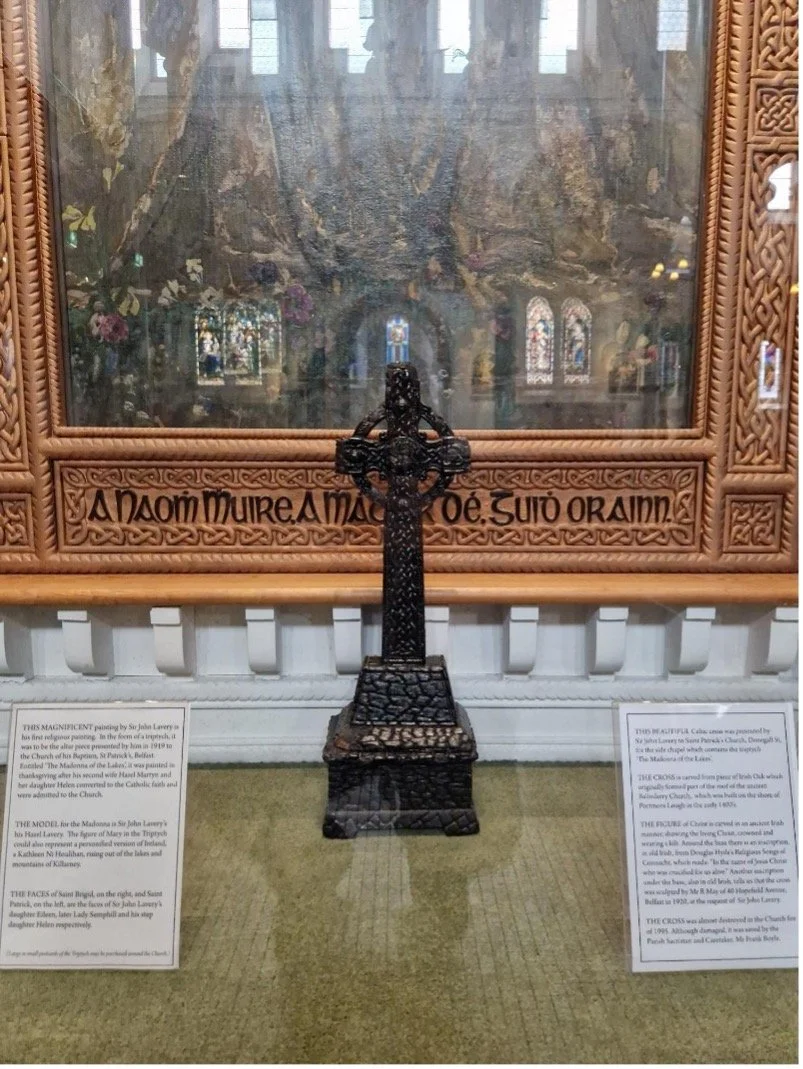
Figure 13. Celtic Cross commissioned by John Lavery for St Patrick's Church. Author's own photograph.
St Patrick’s Church - a place of sanctuary and art
The collections of liturgical, devotional, miraculous and beautiful objects displayed and cared for by St Patrick’s Church highlight that this site is a place of sanctuary as well as awe-inspiring artworks – an important place for parishioners and a recommended stop for any art enthusiast exploring Belfast City Centre.
Emma J. McAlister is an academic and museum professional, and a 2026 APRIL Fellow. She recently worked as an Assistant Curator at the National Museum of Ireland and completed her PhD at Queen's University Belfast in 2022 with a thesis entitled Beyond Materiality: Religion and Ritual in Museums and Heritage Sites. She teaches history, museum studies, and arts management at Queen's University Belfast. Her research focuses on three areas: religion in museum spaces; the impact of casualisation in higher education and the Irish museum sector; and the cultural industries across the island of Ireland. Emma is Membership Secretary for the Religion, Collections and Heritage Group and a member of the Material and Cultural Heritage of Religion in Ireland Network and the Cultural Policy Observatory Ireland.